

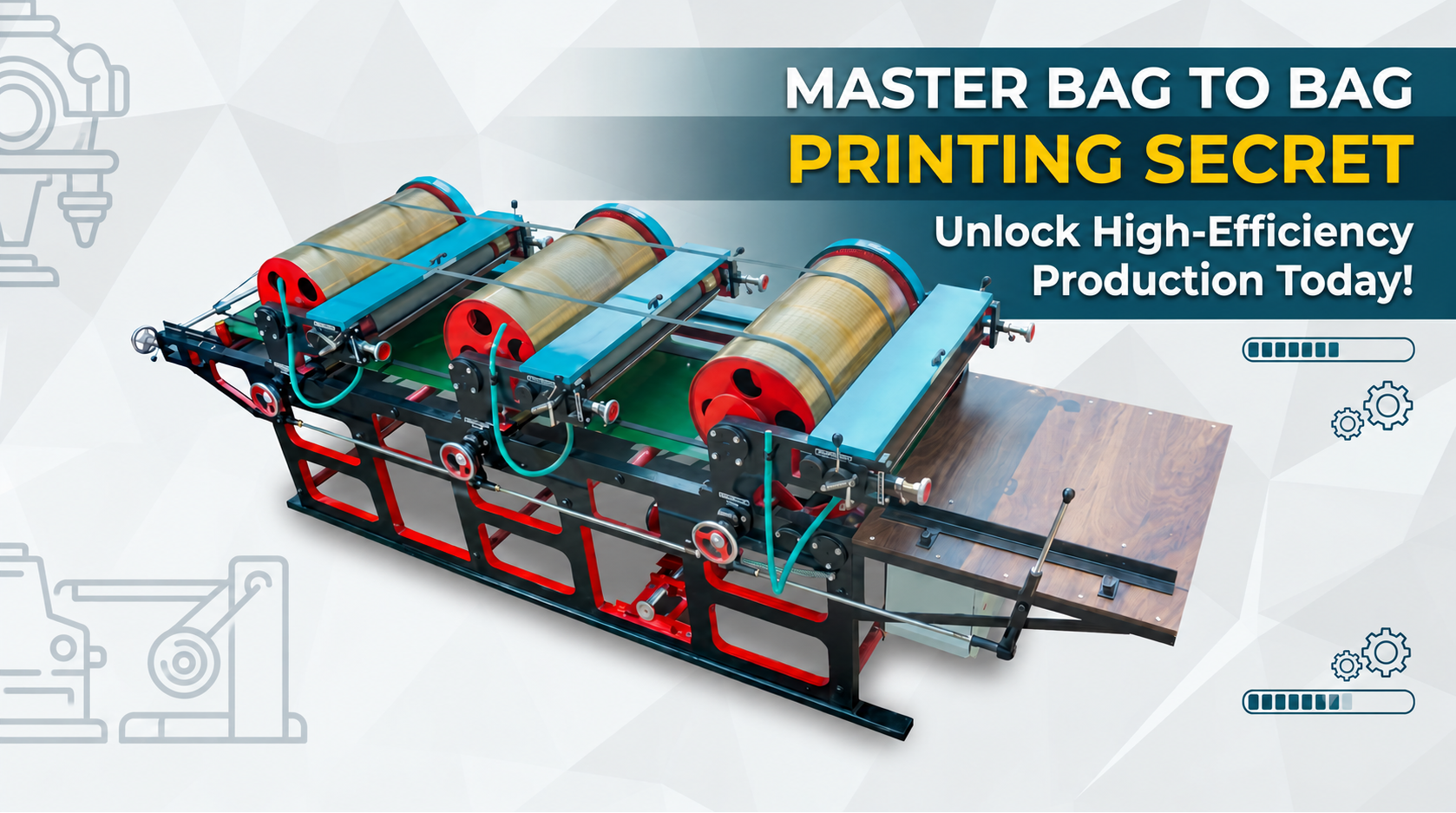
Three Colour Printing Machine for PP Woven Bags: Improving Packaging Quality and Production Efficiency
Introduction
In the competitive packaging industry, printed packaging plays an important role in product identification, brand recognition, and customer communication. Manufacturers of PP woven bags need printing solutions that can deliver clear text, attractive graphics, consistent colours, and reliable performance during regular production. A Three Colour Printing Machine is a practical solution for businesses that require multicolour printing on woven polypropylene bags and other suitable packaging materials.
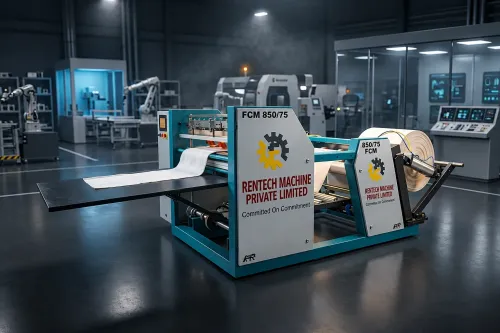
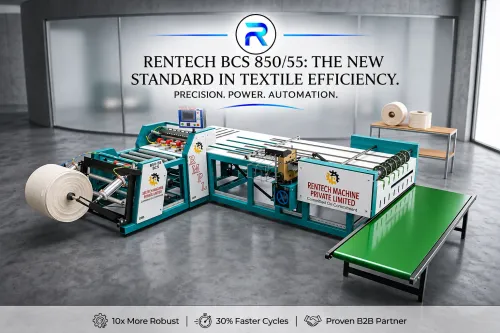
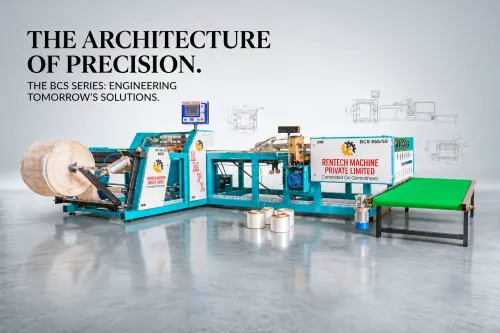
Rentech Machine Private Limited provides industrial machinery solutions for the PP woven bag manufacturing and packaging sector. A three-colour printing system can help bag manufacturers produce packaging with company logos, product details, handling instructions, brand names, and promotional graphics in multiple colours.
Unlike single-colour printing, a three-colour configuration allows different colours to be combined within one printed design. This creates more flexibility for packaging manufacturers serving agricultural, industrial, construction, chemical, fertiliser, and other product markets.
What Is a Three Colour Printing Machine?
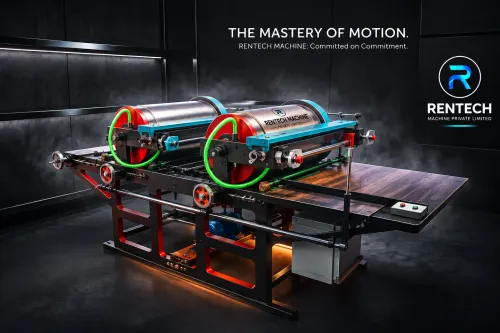
A Three Colour Printing Machine is an industrial printing system designed to apply up to three separate printing colours to a suitable substrate. In PP woven bag manufacturing, the machine is commonly used to print branding, product information, logos, and other graphics on woven polypropylene fabric or compatible bag materials.
Each colour station applies a separate ink colour. When the printing process is correctly configured, the individual colours combine to create the intended design. Print quality depends on several factors, including material compatibility, ink selection, artwork preparation, registration accuracy, machine settings, and operator skill.
For packaging manufacturers, a three-colour printing setup offers a balance between design flexibility and production requirements. It can be suitable for businesses that need more visual detail than single-colour printing provides without necessarily requiring a higher-colour-count printing system.
How Does a Three Colour Printing Machine Work?
The printing process involves several coordinated stages that help maintain consistency throughout production.
1. Material Preparation
The PP woven fabric or compatible bag material is prepared for printing. The substrate should be clean and suitable for the selected ink system. Material condition, surface treatment, and fabric characteristics can affect ink adhesion and final print quality.
2. Artwork and Printing Plate Preparation
The required design is separated into the appropriate colour layers. Depending on the printing technology, printing plates, cylinders, or other image-transfer components are prepared for each colour station.
Correct artwork preparation is important because each colour must appear in the intended position on the finished bag.
3. Ink Preparation and Colour Setting
The required inks are prepared according to the printing process and substrate. Ink viscosity, colour consistency, drying characteristics, and compatibility should be checked before starting production.
4. Three-Colour Printing
The material passes through the printing stations, where each station applies its assigned colour. Correct colour registration helps align the individual printed elements and reduces visible mismatches between colours.
5. Drying and Print Inspection
After printing, the material is allowed to dry or cure as required by the ink system. Operators inspect the printed output for colour variation, smudging, incomplete printing, registration errors, and other defects.
6. Further Bag Processing
Once the material is ready for the next operation, it can proceed to the appropriate cutting, stitching, or bag-converting stage. The sequence depends on the customer's manufacturing workflow and whether printing is performed on fabric rolls, cut panels, or another suitable material format.
Key Benefits of a Three Colour Printing Machine
1. Better Brand Presentation
Three-colour printing provides additional design flexibility for manufacturers that want to display their logos, brand names, product categories, and other visual information on PP woven bags.
2. Greater Design Flexibility
A three-colour configuration can support designs that use separate colours for logos, text, borders, symbols, and graphic elements. The actual design possibilities depend on artwork preparation, printing technology, and registration capability.
3. Consistent Packaging Appearance
When the machine is correctly adjusted and maintained, it can help produce repeatable printed results across a production batch. Consistent output is particularly important for businesses supplying packaging to established brands and distributors.
4. Support for Commercial Production
Industrial printing equipment can support regular packaging production by providing a structured, repeatable printing process. Actual output depends on the machine model, material dimensions, print coverage, operator experience, and production settings.
5. Improved Product Identification
Printed packaging can display important information such as product names, manufacturer details, handling symbols, and other approved product information. This helps distinguish different products and packaging variants.
6. Flexible Packaging Applications
A three-colour printing solution may be suitable for a range of woven packaging applications, provided that the machine design, material specifications, and ink system are compatible with the intended product.
Applications of Three Colour Printing Machines
Three-colour printing can be used for suitable PP woven packaging products across several industries.
- Agricultural packaging: Seed bags, grain bags, animal feed bags, and other agricultural packaging.
- Fertiliser packaging: Branded bags carrying product names, manufacturer details, and handling information.
- Construction materials: Packaging for cement, sand, mineral products, and other compatible materials.
- Industrial packaging: Woven bags used for selected industrial raw materials and bulk products.
- Chemical packaging: Suitable packaging for selected chemical products, subject to material and regulatory requirements.
- Food-related packaging: Compatible woven packaging for products such as grains, flour, and pulses, where the complete packaging system meets applicable food-contact requirements.
- Retail and promotional packaging: Printed woven bags requiring brand identification and product graphics.
The final application should be confirmed against the machine's material-handling capabilities and the required printing quality.
Important Features to Evaluate Before Purchasing
Choosing the right Three Colour Printing Machine requires more than comparing the number of colours. Buyers should evaluate the machine according to their actual production requirements.
Printing Width and Material Size
Confirm the supported printing width and the dimensions of the material or bags to be printed. The machine should accommodate the intended packaging format without compromising handling or print placement.
Printing Speed
Check the rated mechanical speed and the expected production output under normal operating conditions. The achievable output may differ from the maximum rated speed because of material handling, artwork complexity, drying requirements, and quality checks.
Colour Registration
Accurate colour registration is essential when the design contains overlapping colours, fine text, borders, or detailed graphics. Ask for a demonstration using representative artwork.
Ink Compatibility
The ink system should be appropriate for the substrate and intended application. Ink adhesion, drying time, resistance to rubbing, and colour consistency should be evaluated during trials.
Ease of Operation
A practical machine design should allow operators to perform routine setup, adjust printing parameters, clean components, and carry out basic troubleshooting efficiently.
Maintenance and Spare Parts
Before purchasing, discuss preventive maintenance, availability of consumable parts, technical assistance, and operator training. These factors can influence long-term equipment performance.
Integration with Existing Production
Determine whether the machine will print on rolls, cut fabric panels, or another material format. Check how the printing process will connect with existing cutting, stitching, and bag-converting equipment.
Factors That Influence Printing Quality
Even a suitable machine requires correct process control to produce reliable output. Manufacturers should pay attention to the following factors:
- Ink viscosity: Incorrect viscosity can affect ink transfer and print consistency.
- Material condition: Surface contamination, inconsistent material properties, or unsuitable surface treatment can affect adhesion.
- Colour registration: Misalignment between printing stations can reduce graphic clarity.
- Printing pressure and settings: Incorrect settings may produce uneven or unclear impressions.
- Drying conditions: Insufficient drying can cause smudging or ink transfer during subsequent handling.
- Machine cleanliness: Ink residue and accumulated material debris can contribute to print defects.
- Operator training: Correct setup and routine inspection help maintain consistent production quality.
Regular inspection and documented operating procedures can help manufacturers identify problems early and reduce avoidable waste
Why Consider Rentech Machine Private Limited?
Rentech Machine Private Limited serves the industrial machinery and PP woven bag manufacturing sector. Businesses evaluating a Three Colour Printing Machine should assess equipment suitability according to their material type, printing requirements, production targets, and existing manufacturing process.
When discussing your requirement with Rentech Machine Private Limited, consider sharing:
- Type of material to be printed.
- Required printing width and bag dimensions.
- Number of colours used in the artwork.
- Expected production volume.
- Preferred printing format.
- Existing machinery and available floor space.
- Required technical support and installation arrangements.
These details help establish whether a particular machine configuration is suitable for the application. Buyers should request the applicable technical specifications, operating details, and a demonstration or sample print before finalising their purchase.
Conclusion
A Three Colour Printing Machine can be an effective option for PP woven bag manufacturers looking to improve packaging presentation and support multicolour branding. By combining suitable machine configuration, compatible inks, accurate registration, correct material preparation, and routine maintenance, manufacturers can establish a more consistent printing process.
For businesses planning to expand their woven bag printing capabilities, selecting equipment according to actual production needs is essential. Rentech Machine Private Limited can be approached to discuss machine suitability, printing requirements, and the technical details relevant to your manufacturing operation.
Contact Rentech Machine Private Limited to discuss your Three Colour Printing Machine requirements for PP woven bag manufacturing and packaging applications.
Frequently Asked Questions (FAQs)
1. What is a Three Colour Printing Machine used for?
A Three Colour Printing Machine is used to print designs containing up to three colours on compatible materials. In PP woven bag manufacturing, it is commonly used for logos, brand names, product details, and packaging graphics.
2. Can a three-colour machine print on PP woven bags?
Yes, a machine designed for PP woven fabric or compatible bag materials can be used for this application. Material compatibility, printing format, ink selection, and the machine's technical specifications should be confirmed before purchase.
3. What is the advantage of three-colour printing over single-colour printing?
Three-colour printing allows manufacturers to create more varied packaging designs using multiple ink colours. It can improve visual differentiation and provide more flexibility for logos and product graphics.
4. Which industries use three-colour printing for woven bags?
Applications include agriculture, fertiliser, construction materials, industrial raw materials, animal feed, and selected food-related packaging. Suitability depends on the packaging material and applicable product requirements.
5. Does the machine support custom printing designs?
Custom designs may be possible, depending on the machine configuration, printing process, artwork preparation, and plate or image-transfer requirements. Buyers should confirm the supported design format with the supplier.
6. What determines the printing speed of a three-colour machine?
Printing speed depends on the machine model, material dimensions, design complexity, ink drying requirements, operator experience, and production settings. Actual output should be verified during a machine demonstration or production trial.
7. How can manufacturers maintain consistent print quality?
Manufacturers should use compatible inks, prepare the material properly, maintain correct colour registration, follow suitable drying procedures, clean printing components, and inspect printed samples regularly.
8. Is a three-colour machine suitable for bulk production?
It may be suitable for regular or bulk production when its rated capacity, material-handling system, and printing process match the required output. Production capacity should be confirmed for the intended application.