

How to Choose a 2 Colour Bag-to-Bag Printing Machine for PP, HDPE, Paper, Non-Woven Bags
Introduction
In today's competitive packaging industry, a bag is more than just a packaging material. It represents a company's identity, product quality and brand image. Whether used for agricultural products, industrial materials, retail packaging, construction materials or promotional purposes, printed bags help businesses communicate their brand and product information directly to customers.
As packaging manufacturers expand their product portfolios, the demand for versatile bag printing solutions is increasing. Manufacturers are looking for machinery that can handle different bag materials, print attractive designs and maintain consistent printing quality across production batches.
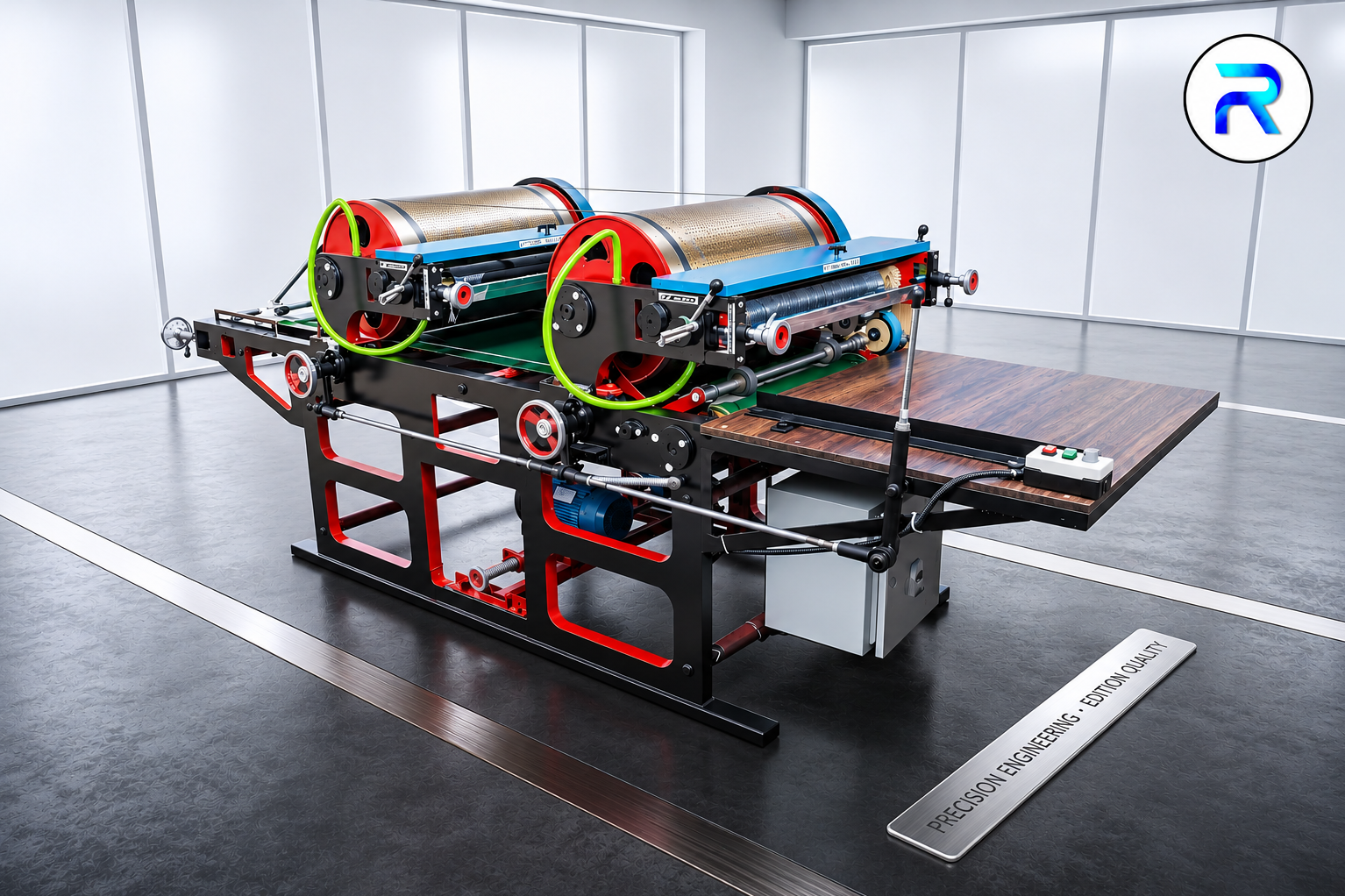
A 2 Colour Bag-to-Bag Printing Machine is an industrial printing solution designed to apply two-colour designs directly onto individual bags. It can be considered for various packaging applications, including PP woven bags, HDPE bags, paper bags, jute bags, non-woven bags, kraft paper bags and canvas or cotton bags, subject to machine configuration, substrate characteristics and ink compatibility.
Rentech Machine Private Limited develops industrial bag printing and woven sack machinery solutions for packaging manufacturers looking for practical and reliable production equipment.
This guide explains how two-colour bag printing works, where it can be used, what materials need special consideration and what manufacturers should evaluate before investing in a bag-to-bag printing machine.
Understanding Two Colour Bag-to-Bag Printing Technology
Bag-to-bag printing is a printing process in which designs are applied directly to individual bags rather than printing continuous fabric rolls before converting them into bags.
This approach is particularly useful for manufacturers who purchase or manufacture ready-made bags and require additional branding, product identification or customised printing.
A two-colour printing arrangement allows manufacturers to reproduce artwork using two separate printing colours. These colours can be used for company logos, brand names, product information, symbols, graphics and other packaging details.
The printing result depends on several factors, including:
Bag material and surface characteristics.
Printing plate and artwork preparation.
Ink formulation and substrate compatibility.
Colour registration and alignment.
Printing pressure and ink transfer.
Bag positioning and feeding consistency.
Drying or ink-setting requirements.
Selecting the right machine configuration is therefore important for achieving consistent results.
Why Are Manufacturers Choosing Two Colour Bag Printing?
Not every packaging design requires four or more colours. Many industrial and commercial bags use simple branding that can be reproduced effectively with two colours.
A two-colour configuration can be suitable for manufacturers who regularly print company names, logos, product details and identification graphics.
Some important advantages include:
1. Professional Brand Presentation
Printed logos, company names and product information help packaging manufacturers deliver a more professional appearance to their customers.
2. Two-Colour Artwork Capability
Manufacturers can produce designs using two separate printing colours, allowing greater flexibility than single-colour branding.
3. Direct Printing on Individual Bags
Bag-to-bag printing allows manufacturers to print on individual bags after the bag has been manufactured, subject to the machine's feeding and handling capabilities.
4. Multiple Packaging Applications
A suitably configured machine can be evaluated for different types of bag materials, helping manufacturers serve customers from multiple packaging sectors.
5. Customised Packaging Solutions
Different customers may require different logos, product names, identification details and artwork. Two-colour printing provides a practical option for these requirements.
Materials That Can Be Evaluated for Two Colour Bag-to-Bag Printing
One of the important considerations when selecting an industrial bag printing machine is material compatibility.
Different packaging materials have different surface structures, thicknesses, absorbency levels and ink requirements. A printing configuration that works well on one substrate may require adjustments for another.
Rentech Machine Private Limited offers bag printing solutions for applications involving the following materials, subject to the machine configuration and application-specific testing.
PP Woven Bags
Polypropylene woven bags are extensively used for industrial and agricultural packaging.
Common applications include:
Rice and grain packaging.
Fertilizer and agricultural products.
Sugar and food commodity packaging.
Animal feed packaging.
Cement and industrial material packaging.
Printing on PP woven bags helps manufacturers display company branding, product details, handling instructions and other identification information.
The woven structure, lamination condition and surface treatment should be considered before selecting the printing process and ink.
HDPE Bags
HDPE bags are used in several packaging applications where material properties and bag construction are important.
Two-colour printing can be evaluated for:
Agricultural packaging.
Industrial packaging.
Commercial product bags.
Commodity packaging.
Custom-branded packaging.
Surface characteristics, bag thickness and ink compatibility must be checked to achieve suitable print adhesion and appearance.
Paper Bags
Paper bags are widely used across retail, commercial and industrial packaging sectors.
Printing applications may include:
Product branding.
Company logos.
Product descriptions.
Retail packaging information.
Promotional graphics.
Paper characteristics, thickness, surface finish and ink absorption influence the final printing result. Feeding and handling arrangements should also match the paper bag construction.
Kraft Paper Bags
Kraft paper is commonly selected for packaging applications where a natural paper appearance is preferred.
It is used for:
Grocery packaging.
Agricultural product packaging.
Industrial packaging.
Retail and shopping bags.
Food-related packaging applications.
Printing on kraft paper requires attention to its natural colour, texture and absorbency. The choice of ink and artwork contrast can significantly affect the visual result.
Jute Bags
Jute bags are used in agricultural packaging, industrial applications and reusable packaging products.
They are particularly relevant for:
Agricultural commodities.
Grain and seed packaging.
Reusable shopping bags.
Promotional bags.
Custom-branded packaging.
Jute has a naturally coarse and textured surface. Consequently, print clarity and ink transfer need to be evaluated through actual material trials.
Non-Woven Bags
Non-woven bags are used extensively in retail, shopping, promotional and commercial packaging.
Common applications include:
Shopping bags.
Promotional bags.
Exhibition and event bags.
Retail packaging.
Reusable carry bags.
Their surface structure and fabric weight can vary. Selecting the correct printing arrangement and ink is important for obtaining consistent results.
Canvas and Cotton Bags
Canvas and cotton bags are increasingly used for reusable packaging, retail products and promotional branding.
Typical applications include:
Reusable shopping bags.
Corporate promotional bags.
Custom-printed retail bags.
Textile packaging.
Branded merchandise bags.
Cotton and canvas surfaces can absorb ink differently from plastic-based substrates. Their texture, fabric weight and required print finish should be evaluated before production.
How Does a Bag-to-Bag Printing Machine Work?
The printing process involves several important stages. Understanding these stages helps manufacturers evaluate the machine according to their production requirements.
Bag Feeding and Positioning
Individual bags are supplied to the machine's feeding arrangement. Correct positioning is important because the bag must remain properly aligned during printing.
Printing Plate Preparation
The required artwork is prepared and transferred to suitable printing plates. Separate printing plates are generally required for the two colours.
Ink Transfer
The printing system transfers the selected ink onto the prepared printing surface. Proper ink transfer is essential for obtaining the desired artwork and print appearance.
Two-Colour Registration
The two colours must align correctly to reproduce the intended design. Registration accuracy is an important factor when printing logos, text and graphics.
Drying or Ink Setting
After printing, the ink must achieve the required setting or drying condition before the bags are collected or stacked. The appropriate arrangement depends on the ink system and substrate.
Printed Bag Collection
The printed bags are collected for inspection, packing or further processing.
Each stage contributes to the final printing quality. A machine should therefore be evaluated as a complete printing system rather than only by its number of printing colours.
Important Factors to Consider Before Purchasing a Two Colour Printing Machine
Before investing in a bag-to-bag printing machine, manufacturers should evaluate their actual production requirements.
Type of Bag Material
First identify the materials you intend to print. PP woven, HDPE, paper, kraft paper, jute, non-woven and canvas bags do not have identical printing characteristics.
If multiple materials are required, provide actual bag samples to the machine manufacturer for compatibility evaluation.
Bag Dimensions
Bag width and length influence the feeding arrangement, printing area and machine configuration.
Manufacturers should provide their minimum and maximum bag dimensions before finalising a machine.
Printing Area
The required printing area should accommodate the complete artwork, including logos, text and graphics.
A machine should be selected according to the largest printing design required in regular production.
Ink Compatibility
Ink selection is one of the most important aspects of bag printing.
The ink must be suitable for the particular substrate and should provide the required adhesion, drying characteristics and print appearance.
Artwork and Colour Requirements
A two-colour machine is appropriate when the intended artwork can be reproduced using two printing colours.
Manufacturers should share their actual artwork before selecting the printing configuration.
Production Requirements
Expected production volume, working hours, bag specifications and operator requirements should be considered when evaluating machine capacity.
Actual output should be confirmed through machine trials using the customer's intended bags and artwork.
After-Sales Technical Support
Machine installation, commissioning, operator training and availability of technical assistance are also important considerations when selecting industrial printing equipment.
Two Colour Bag-to-Bag Printing vs Roll-to-Roll Printing
Both printing methods serve different manufacturing requirements.
Bag-to-bag printing applies artwork to individual bags, whereas roll-to-roll printing applies designs to continuous fabric or substrate before the bags are converted.
Bag-to-bag printing can be useful when manufacturers need to print already-converted bags or handle different finished bag sizes.
Roll-to-roll printing may be more appropriate when printing is integrated into an upstream fabric production or conversion process.
The right choice depends on the manufacturing workflow, material, artwork, production volume and final bag requirements.
Industries That Can Benefit from Two Colour Bag Printing
Two-colour bag printing can support businesses across different packaging sectors.
Agricultural Packaging Industry: Manufacturers of grain, seed, fertilizer and agricultural packaging can use printed bags for branding and product identification.
Food Commodity Packaging: Rice, flour, sugar and other commodity packaging manufacturers may require printed product details and company branding, subject to applicable food-contact requirements.
Industrial Packaging: Manufacturers of industrial packaging bags can use printing for company identification, product information and handling instructions.
Retail and Shopping Packaging: Paper, kraft paper, non-woven and reusable bag manufacturers can explore two-colour printing for retail branding.
Jute and Reusable Packaging: Manufacturers of jute, canvas and cotton bags can evaluate printing solutions for promotional and customised packaging.
Why Choose Rentech Machine Private Limited?
Rentech Machine Private Limited is an industrial machinery manufacturer based in Ahmedabad, Gujarat, India.
The company focuses on machinery for woven sack manufacturing, bag conversion and industrial printing applications.
Our product portfolio includes bag cutting and stitching machines, automatic bag conversion lines and flexographic printing solutions.
With an understanding of the requirements of packaging manufacturers, Rentech focuses on providing machinery solutions according to the intended application and production requirements.
Our approach includes understanding the customer's bag specifications, material requirements, printing artwork and production expectations before recommending a suitable machine configuration.
Whether your requirement involves PP woven bags, HDPE bags, paper bags, kraft paper bags, jute bags, non-woven bags or canvas and cotton bags, our team can evaluate your application and discuss the appropriate printing solution.
For manufacturers planning to expand their printing capabilities, selecting the right machine configuration is an important step towards building a more versatile packaging production operation.
Frequently Asked Questions About Two Colour Bag-to-Bag Printing Machines
What is a 2 Colour Bag-to-Bag Printing Machine?
A 2 Colour Bag-to-Bag Printing Machine is an industrial printing machine designed to print two-colour artwork directly onto individual bags. It is used for printing logos, company names, product details and branding graphics.
Which materials can be printed using a two-colour bag printing machine?
Applications can include PP woven bags, HDPE bags, paper bags, kraft paper bags, jute bags, non-woven bags and canvas or cotton bags, depending on machine configuration, ink compatibility and material testing.
Can a two-colour machine print on PP woven bags?
Yes. PP woven bags are an important application for industrial bag printing. The surface condition, lamination, treatment and ink compatibility should be checked before production.
Can the machine print on HDPE bags?
HDPE bags can be evaluated for printing. The bag construction, surface properties and suitable ink system must be considered to achieve the required print quality.
Is the machine suitable for jute bag printing?
Jute bags can be evaluated for two-colour printing. Their textured surface requires attention to ink transfer, print clarity and adhesion.
Can paper and kraft paper bags be printed?
Yes, paper and kraft paper bags are potential printing applications. Their thickness, surface finish, absorbency and feeding requirements should be checked for the intended machine configuration.
Can non-woven bags be printed using this machine?
Non-woven bags can be considered for printing applications. Material weight, fabric structure, ink selection and surface compatibility influence the printing results.
Can canvas and cotton bags be printed?
Canvas and cotton bags can be evaluated for printing. Their surface texture and absorbency should be considered when selecting the appropriate printing process and ink.
What is the difference between two-colour and three-colour bag printing machines?
A two-colour machine is designed for artwork requiring two printing colours, while a three-colour machine supports artwork requiring three separate colours. The choice depends on the customer's artwork and printing requirements.
What information is required to select the right bag printing machine?
The manufacturer should provide bag material, bag width, bag length, required printing area, artwork, expected production capacity and actual bag samples. These details help determine the appropriate machine configuration.
Does Rentech Machine Private Limited provide industrial bag printing solutions?
Yes. Rentech Machine Private Limited manufactures industrial printing and bag conversion machinery. Customers can discuss their bag materials, printing requirements and production expectations with the Rentech team.
Get the Right Two Colour Bag Printing Solution for Your Business
Are you planning to manufacture printed PP woven bags, HDPE bags, paper bags, jute bags, non-woven bags or canvas and cotton bags?
Choosing the right printing equipment requires more than selecting the number of colours. Material compatibility, printing area, bag dimensions, ink requirements and production expectations all play an important role.
Rentech Machine Private Limited can help you evaluate your printing requirements and identify a suitable bag-to-bag printing solution.
Contact Rentech Machine Private Limited, Ahmedabad, Gujarat, India, to discuss your two-colour bag printing requirements and request a machine quotation.
Website: https://www.rentechmachine.com/