

One Machine, Multiple Bag Applications: Automatic Cutting and Stitching Solutions for PP, Leno, BOPP & HDPE Bags
Introduction: Making Woven Bag Production More Flexible
The woven packaging industry is evolving. Customers are no longer looking for only conventional PP woven sacks. Depending on their business requirements, they may need agricultural mesh bags, laminated packaging bags, industrial sacks, fertilizer bags, food grain bags and branded packaging solutions.
For manufacturers, this changing demand creates an important challenge: how to manage different bag manufacturing requirements while maintaining production consistency, controlling operating costs and reducing unnecessary manual work.
An advanced automatic cutting and stitching machine offers a practical solution for manufacturers looking to streamline their woven bag conversion operations.
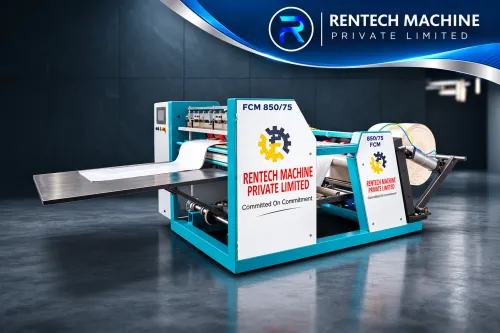
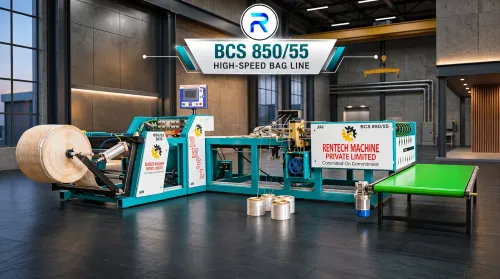
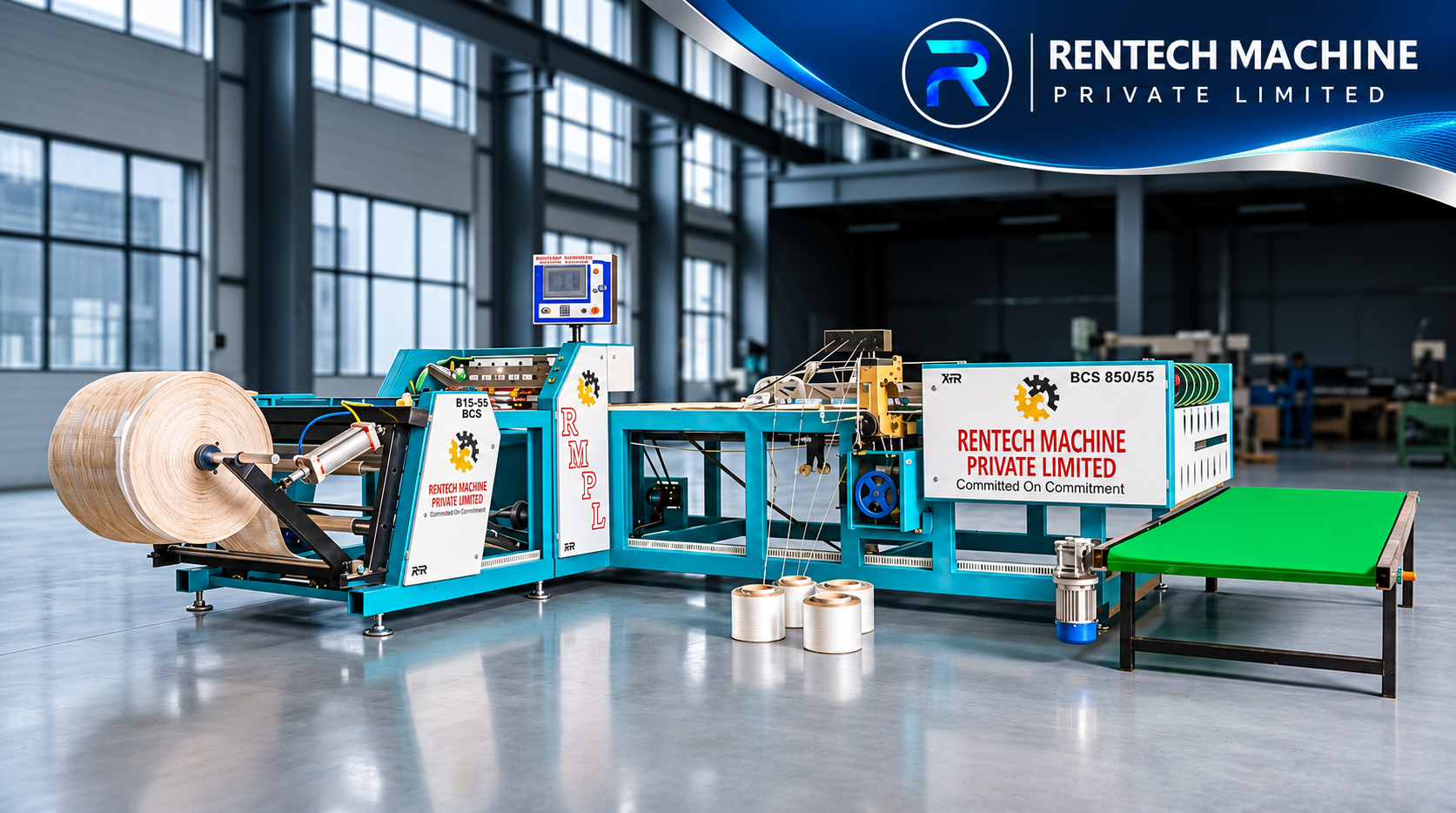
Rentech Machine Private Limited develops automatic cutting and stitching machinery for woven bag manufacturers working with PP woven, Leno, BOPP laminated and HDPE woven fabrics.
The machine is designed to bring fabric cutting and stitching operations into a coordinated manufacturing process, helping manufacturers organise their production activities and handle different compatible bag applications.
Why Multi-Material Bag Manufacturing Is Becoming Important
The packaging requirements of different industries are not the same.
Agricultural businesses require ventilated bags for fresh produce. Fertilizer and grain manufacturers need durable woven packaging. Consumer brands often prefer printed laminated bags that provide better product presentation.
As a result, woven bag manufacturers increasingly need production flexibility.
Instead of concentrating on only one type of bag, manufacturers can explore multiple market segments by selecting suitable machinery and fabric-processing arrangements.
A multi-material automatic cutting and stitching solution can help manufacturers address the requirements of different customers without unnecessarily complicating their production setup.
Understanding Different Bag Manufacturing Applications
1. PP Woven Bags – Reliable Packaging for Industrial and Agricultural Markets
PP woven bags are widely used across the packaging industry because of their strength, lightweight construction and versatility.
They are commonly used for packaging rice, wheat, pulses, sugar, fertilizers, seeds, animal feed and other bulk materials.
The manufacturing process requires accurate fabric cutting and consistent stitching to produce bags that meet the required dimensions and packaging specifications.
An automatic PP woven bag cutting and stitching machine helps manufacturers organise these repetitive conversion operations and maintain consistent finished-bag quality.
2. Leno Bags – Supporting Agricultural Packaging Requirements
Leno bags have an open-mesh construction that allows air circulation through the packaging material.
They are particularly useful for packaging onions, potatoes, garlic and other agricultural products where ventilation is important.
Manufacturers serving agricultural markets often need equipment that can handle mesh fabrics appropriately without compromising material handling and stitching quality.
A suitably configured Rentech automatic cutting and stitching machine can support Leno bag manufacturing requirements, subject to fabric compatibility and the required finishing arrangement.
3. BOPP Laminated Bags – Packaging with Better Brand Presentation
BOPP laminated woven bags are widely used by businesses that want attractive packaging along with the functional benefits of woven fabric.
These bags are suitable for branded rice packaging, animal feed, fertilizers, food grains and other commercial products.
Unlike conventional unlaminated woven bags, BOPP laminated bags have an additional film layer that influences the cutting and stitching process.
For this reason, the machinery configuration and cutting arrangement should be selected according to the laminated fabric construction.
Rentech provides automatic bag conversion machinery for suitable BOPP laminated woven materials, helping manufacturers manage the cutting and stitching stages of their production process.
4. HDPE Woven Bags – Versatile Packaging for Multiple Industries
HDPE woven bags are used in several agricultural, industrial and commercial packaging applications.
Their woven construction provides a practical packaging option for businesses requiring lightweight and functional sacks.
For HDPE bag manufacturers, controlled fabric feeding, accurate cutting and suitable stitching arrangements are important for maintaining finished-product consistency.
An appropriately configured automatic cutting and stitching machine can support these production requirements.
How an Automatic Cutting and Stitching Machine Improves Factory Operations
Manufacturing efficiency is not determined only by machine speed. It also depends on how effectively different production activities work together.
An automatic cutting and stitching machine can improve factory operations in several ways.
Better Coordination Between Cutting and Stitching
When cutting and stitching operations are coordinated, manufacturers can reduce unnecessary movement of material between separate production stages.
This helps create a more organised workflow and makes production supervision easier.
Consistent Bag Length and Finishing
Bag dimensions are an important part of customer specifications.
Controlled fabric feeding and cutting help manufacturers maintain repeatable bag lengths, while suitable stitching arrangements contribute to consistent finishing.
Reduced Dependence on Repetitive Manual Activities
Manual cutting and handling can involve repeated measuring, positioning and material movement.
Automation can reduce some of these repetitive activities, allowing operators to concentrate on supervision, quality inspection and material management.
Flexibility for Different Customer Orders
A manufacturer may receive orders for PP woven grain bags one month and agricultural Leno bags or BOPP laminated bags the next.
A suitable multi-material machine configuration can help manufacturers respond to different compatible customer requirements.
Actual changeover requirements depend on the material, bag design and machine configuration.
Improved Production Planning
When cutting and stitching are integrated into a coordinated workflow, it becomes easier to plan production activities, monitor finished-bag quantities and identify operational bottlenecks.
This is particularly useful for factories handling multiple customer orders.
What Should Manufacturers Consider Before Investing?
Selecting an automatic cutting and stitching machine requires more than comparing purchase prices.
Manufacturers should evaluate the complete production requirement before making an investment.
Material compatibility: Identify every fabric type that the machine is expected to process. PP woven, Leno, HDPE and BOPP laminated materials may require different handling considerations.
Bag application: Clearly define whether the finished bags will be used for agricultural produce, fertilizers, food grains, animal feed or industrial packaging.
Bag dimensions: Discuss the required bag sizes and finishing arrangements with the machinery manufacturer.
Production planning: Estimate the expected production demand and clarify the practical output achievable under the intended operating conditions.
Cutting requirements: Evaluate the appropriate cutting method for each fabric type, especially when handling laminated or mesh materials.
Stitching quality: Consider the required seam construction, bag-mouth finishing and overall appearance of the finished bag.
Future expansion: Consider whether the selected machinery can support the manufacturer's expected future product range and production requirements.
A proper discussion with the machine manufacturer before purchase can help avoid unnecessary modifications and production difficulties later.
Why Choose Rentech Machine Private Limited?
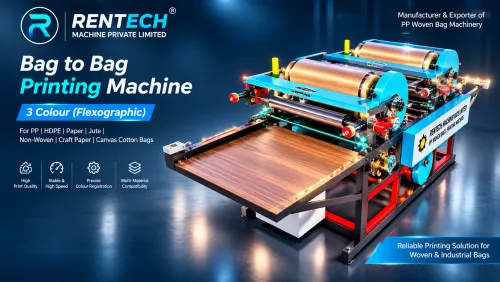
Rentech Machine Private Limited, based in Ahmedabad, Gujarat, India, manufactures machinery for woven sack cutting, stitching, printing and conversion applications.
The company focuses on providing industrial machinery solutions that address the practical requirements of woven packaging manufacturers.
Rentech's automatic cutting and stitching solutions are designed for suitable PP woven, Leno, BOPP laminated and HDPE woven bag applications.
Whether a manufacturer is establishing a new production facility, upgrading an existing setup or expanding into additional woven packaging segments, selecting an appropriate machine configuration is an important part of the investment decision.
Rentech works with customers to understand their fabric requirements, finished-bag applications and production objectives before recommending a suitable machinery solution.
Building a More Flexible Woven Bag Manufacturing Business
The future of woven packaging manufacturing is not limited to producing a single category of bag.
Manufacturers who understand different customer requirements and develop suitable production capabilities can explore opportunities across agricultural, industrial and commercial packaging markets.
From conventional PP woven sacks to ventilated Leno bags, branded BOPP laminated packaging and HDPE woven sacks, every application requires the right combination of material handling, cutting and stitching.
An automatic cutting and stitching machine can become an important part of this manufacturing setup by bringing essential conversion operations together.
Rentech Machine Private Limited aims to support woven bag manufacturers with machinery solutions designed around their production requirements.
If you are planning to upgrade your existing facility or establish a new woven bag manufacturing unit, connect with Rentech Machine to discuss a suitable automatic cutting and stitching solution.
Frequently Asked Questions (FAQs)
1. What is an automatic cutting and stitching machine for woven bags?
It is an industrial machine used to convert woven fabric into finished bags through coordinated fabric feeding, cutting and stitching operations. Depending on the configuration, additional processes such as folding and hemming may also be incorporated.
2. Can one machine manufacture PP, Leno, BOPP and HDPE bags?
A suitably configured automatic cutting and stitching machine can process compatible PP woven, Leno, BOPP laminated and HDPE woven materials. The actual compatibility depends on fabric construction, thickness, lamination and machine configuration.
3. Is an automatic cutting and stitching machine suitable for onion and potato bags?
Yes. An appropriately configured machine can be used for manufacturing Leno bags commonly used for onions and potatoes. Fabric handling, stitching and required mouth finishing should be evaluated before selecting the machine.
4. Can the machine manufacture both laminated and unlaminated woven bags?
Depending on its configuration, the machine can support compatible laminated and unlaminated woven materials. Manufacturers should confirm the suitability of each material through a sample trial.
5. What industries use PP woven bags?
PP woven bags are commonly used in agriculture, fertilizers, food grains, rice mills, sugar packaging, animal feed and industrial packaging.
6. Why are Leno bags used for agricultural products?
Leno bags have an open-mesh structure that allows ventilation. This makes them suitable for packaging products such as onions, potatoes and garlic.
7. Are BOPP laminated bags different from regular PP woven bags?
Yes. BOPP laminated bags incorporate an additional film layer over woven polypropylene fabric. This provides opportunities for improved printed appearance and product branding.
8. What are the advantages of automatic bag cutting and stitching?
Automation can improve production coordination, reduce repetitive manual handling, support consistent bag dimensions and help manufacturers organise their cutting and stitching operations.