

3 Colour Bag to Bag Printing Machine: Advanced Printing Solutions for PP, HDPE, Paper, Jute and Non-Woven Bags
Introduction
In the packaging industry, printing is no longer just about displaying a company name or product information. It has become an important part of brand identity, product presentation and customer recognition.
Manufacturers of packaging bags are increasingly looking for reliable printing solutions that can deliver attractive designs, clear text, consistent colour registration and professional finishing across different types of bag materials.
Rentech Machine Private Limited introduces advanced 3 Colour Bag to Bag Printing Machine solutions designed for printing on a variety of packaging materials, including PP woven bags, HDPE bags, paper bags, jute bags, non-woven bags, kraft paper, canvas and cotton fabric bags, subject to material and machine compatibility.
Unlike conventional printing arrangements that may require printing on fabric rolls before bag conversion, a bag-to-bag printing setup is designed to print on already-converted bags. This approach can provide greater flexibility for manufacturers handling different bag sizes, designs, customer orders and packaging requirements.
With a focus on industrial applications, production efficiency and practical printing requirements, Rentech Machine Private Limited provides machinery solutions for businesses looking to expand their bag printing capabilities.
What Is a 3 Colour Bag to Bag Printing Machine?
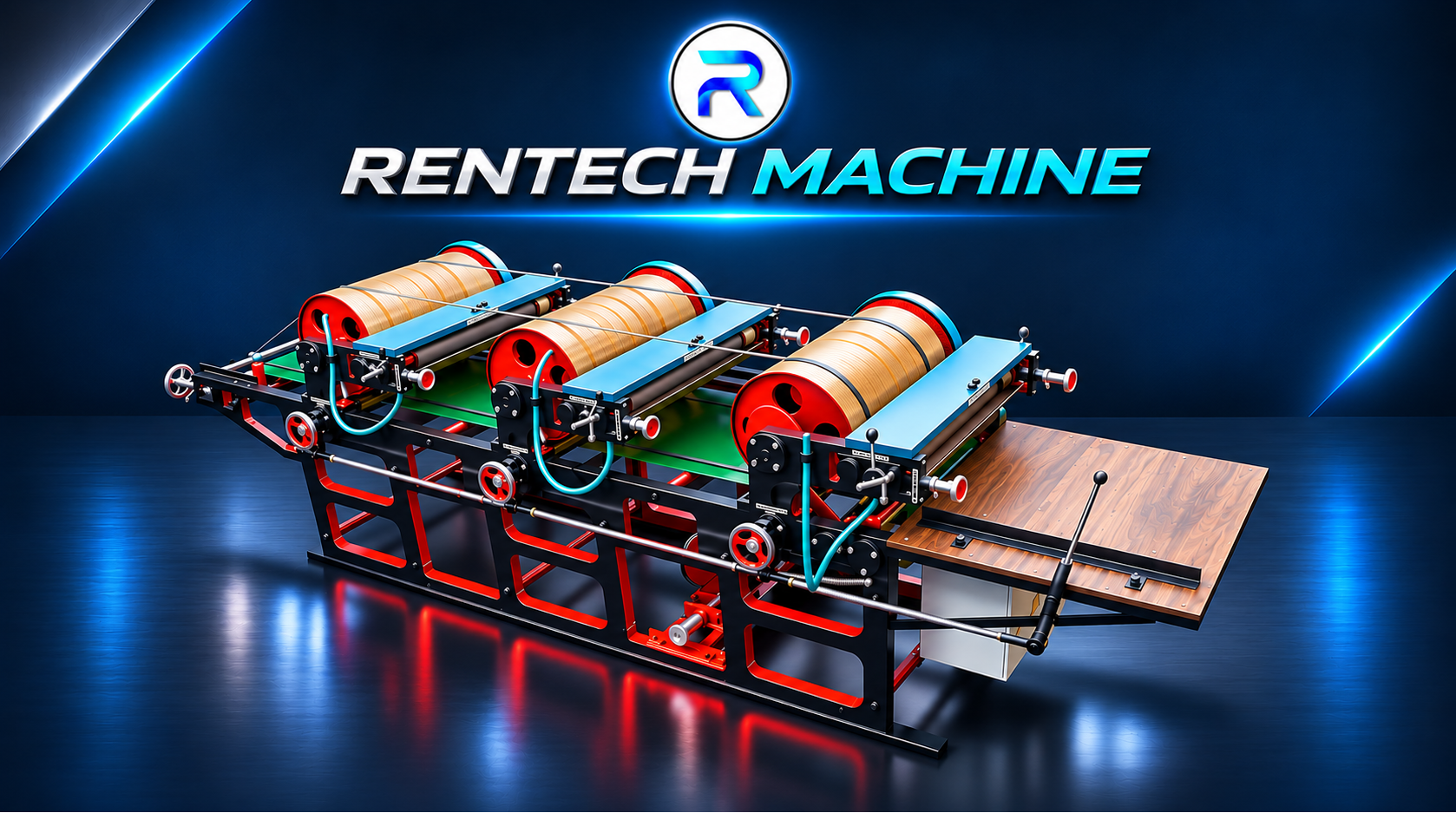
A 3 Colour Bag to Bag Printing Machine is an industrial printing system designed to print designs, logos, brand names, product information and promotional graphics directly onto individual bags.
The machine is intended for bag manufacturers and printing businesses that want to offer customised printing services without depending entirely on pre-printed fabric rolls.
The three-colour printing arrangement allows manufacturers to reproduce designs using three separate printing colours. Depending on the artwork, printing process, substrate and machine configuration, different colour combinations and multicolour designs can be produced.
This makes the machine suitable for packaging manufacturers serving agricultural, industrial, retail, food packaging and commercial sectors.
Why Is Bag-to-Bag Printing Important for Modern Packaging Manufacturers?
Packaging requirements are changing as businesses increasingly demand customised bags for different products, brands and markets.
A manufacturer may receive orders for agricultural packaging one day and customised retail or industrial packaging the next. Managing these different requirements can become challenging when printing flexibility is limited.
A dedicated bag-to-bag printing solution offers several practical advantages:
1. Customised Printing: Manufacturers can handle customer-specific logos, brand names, product descriptions and promotional designs.
2. Flexible Order Management: It can be useful for businesses handling different designs and smaller customised orders.
3. Value Addition: Printing services can help bag manufacturers offer a more complete packaging solution rather than supplying plain bags alone.
4. Brand Visibility: Professionally printed packaging helps businesses improve product identification and brand recognition.
5. Multiple Industry Applications: The machine can serve customers from agriculture, retail, construction, food packaging and industrial sectors, subject to material compatibility.
Materials Suitable for Bag-to-Bag Printing
One of the important considerations when selecting a bag printing machine is the type of substrate being printed.
Rentech's 3 Colour Bag to Bag Printing Machine is intended for applications involving different packaging and fabric materials.
1. PP Woven Bags
PP woven bags are widely used in agricultural and industrial packaging. They are commonly used for rice, wheat, sugar, fertilisers, animal feed, cement and other bulk products.
Printing on PP woven bags allows manufacturers to display product details, company branding, handling instructions and marketing information.
2. HDPE Bags
HDPE bags are used in several packaging applications where strength, lightweight construction and practical handling are important.
Printing applications may include product identification, company logos, branding and packaging information, depending on the bag's surface characteristics.
3. Paper Bags
Paper bags are commonly used in retail, shopping, food packaging and commercial applications.
Businesses often require printed logos, promotional messages, product information and attractive graphics to improve their packaging presentation.
4. Kraft Paper Bags
Kraft paper packaging is popular among businesses looking for a natural-looking packaging appearance.
Printing on kraft paper bags can support branding for retail stores, grocery businesses, food outlets, industrial packaging and other commercial applications.
5. Jute Bags
Jute bags are used for shopping, agricultural packaging, promotional products and reusable packaging.
Printing on jute bags can help businesses personalise their products with logos, brand names and promotional designs. The textured surface of jute requires appropriate printing preparation and process compatibility.
6. Non-Woven Bags
Non-woven bags are widely used in shopping, retail promotions, exhibitions, supermarkets and reusable packaging.
Custom printing helps businesses create branded shopping bags, promotional merchandise and reusable packaging products.
7. Canvas and Cotton Bags
Canvas and cotton bags are used for premium shopping bags, promotional products, fashion accessories and reusable packaging.
Printing on these materials enables customised branding, artwork and promotional graphics. Fabric absorbency, texture and ink compatibility must be considered when selecting the printing process.
Important material consideration: Not every substrate behaves identically during printing. Surface treatment, porosity, coating, thickness, bag construction, ink chemistry and drying requirements influence the final result. The material and intended artwork should be evaluated before confirming the machine configuration and printing suitability.
How Does a 3 Colour Bag-to-Bag Printing Process Work?
The printing process involves handling individual bags, positioning them correctly and transferring the selected artwork onto the bag surface.
The general production workflow includes:
Bag Preparation: Bags are checked for dimensions, surface condition, cleanliness and printing suitability.
Design Preparation: The required artwork is separated into three colour components according to the printing arrangement.
Machine Setup: Printing elements, ink, pressure, registration and other relevant settings are adjusted according to the material and design.
Bag Feeding and Positioning: Individual bags are fed and positioned for printing.
Three-Colour Printing: The selected design is transferred through the three-colour printing arrangement.
Drying and Inspection: Printed bags are allowed to dry or cure as required by the selected ink system. The final output is checked for colour registration, print clarity and overall appearance.
Finished Bag Collection: Printed bags are collected for inspection, packing and dispatch.
The actual sequence and operating method depend on the machine's engineering configuration.
Where Are 3 Colour Bag-to-Bag Printing Machines Used?
The applications extend beyond conventional woven sack manufacturing.
- Agriculture: Printed bags for rice, wheat, seeds, fertilisers and animal feed.
- Food Packaging: Branded paper and suitable woven packaging bags.
- Retail: Shopping bags, promotional bags and reusable packaging.
- Construction: Printed industrial packaging and material identification.
- Textile and Fabric Packaging: Printed jute, cotton and canvas bags.
- Promotional Packaging: Customised bags for exhibitions, corporate events and marketing campaigns.
- Industrial Packaging: Company-branded bags for bulk materials and commercial products.
This variety of applications creates opportunities for packaging manufacturers to serve customers across multiple industries.
Three Colours, More Printing Possibilities
Three-colour printing provides manufacturers with additional flexibility when producing customised packaging designs.
Depending on the artwork, three printing colours can be used to create combinations of brand colours, text, graphics and product information.
For example, a packaging design may use one colour for the company logo, another for product information and a third for decorative graphics or additional branding elements.
However, the final print quality depends on artwork preparation, colour selection, registration accuracy, substrate characteristics, ink compatibility and machine adjustment.
For businesses planning to offer professional printing services, these factors are important when evaluating a three-colour printing solution.
Why Choose Rentech Machine Private Limited?
Rentech Machine Private Limited is an Ahmedabad, Gujarat-based manufacturer and supplier of industrial machinery for the woven bag and packaging industry.
The company focuses on providing machinery solutions for bag manufacturing, bag conversion and printing applications.
Rentech understands that different packaging businesses have different production requirements. A manufacturer producing PP woven sacks may have different printing needs from a business manufacturing paper, jute, non-woven or canvas bags.
Our approach is centred on understanding the customer's application, material, printing requirements and production expectations before recommending a suitable machine configuration.
Whether you are expanding an existing bag manufacturing unit or planning to introduce customised bag printing services, selecting the appropriate printing equipment is an important step towards building a more versatile production facility.
To discuss your application, connect with Rentech Machine Private Limited and share your bag material, dimensions and sample printing design.
What Should You Consider Before Purchasing a 3 Colour Bag-to-Bag Printing Machine?
Before investing in a printing machine, manufacturers should evaluate the following factors:
- Bag Material: Confirm whether the machine configuration supports the intended PP, HDPE, paper, kraft paper, jute, non-woven, canvas or cotton substrate.
- Bag Dimensions: Check the minimum and maximum bag sizes supported by the machine.
- Printing Area: Ensure the available printing area is suitable for the required artwork.
- Colour Requirements: Evaluate whether three-colour printing meets your customers' design requirements.
- Printing Quality: Discuss registration, print clarity, repeatability and sample approval.
- Ink Compatibility: Select the correct ink system according to the substrate and drying requirements.
- Production Capacity: Evaluate the actual achievable output for your bag dimensions, artwork and operating conditions.
- After-Sales Support: Consider installation, operator training, maintenance and spare parts availability.
A proper technical discussion before purchasing can help avoid mismatches between the machine configuration and the intended production application.
Conclusion
The demand for customised packaging continues to create opportunities for manufacturers who can offer more than plain bags.
A 3 Colour Bag to Bag Printing Machine can help packaging businesses expand their services into customised printing for PP woven, HDPE, paper, kraft paper, jute, non-woven, canvas and cotton bags, subject to machine and substrate compatibility.
For businesses looking to improve their printing capabilities, diversify their product offerings and serve customers across different packaging industries, choosing the right printing equipment is an important investment decision.
Rentech Machine Private Limited aims to support packaging manufacturers with industrial machinery solutions designed around practical production requirements.
Contact Rentech Machine Private Limited, Ahmedabad, Gujarat, India, to discuss your bag printing application and machine requirements.
Frequently Asked Questions (FAQs)
1. What is a 3 Colour Bag to Bag Printing Machine?
It is an industrial printing machine designed to print three-colour designs, logos, branding and product information directly onto individual bags.
2. Which materials can be printed using a 3 Colour Bag to Bag Printing Machine?
Depending on the machine configuration and printing process, applications may include PP woven bags, HDPE bags, paper bags, kraft paper bags, jute bags, non-woven bags, canvas bags and cotton bags.
3. Can this machine print on PP woven bags?
Yes, it is intended for PP woven bag printing applications, subject to the bag's surface condition, treatment, ink compatibility and machine configuration.
4. Can the machine print on paper and kraft paper bags?
Paper and kraft paper bags are potential applications. The feeding arrangement, substrate thickness, surface characteristics and ink system must be evaluated for the required application.
5. Is the machine suitable for jute bag printing?
It can be considered for jute bag printing applications. Since jute has a textured surface, printing trials are recommended to evaluate print clarity and ink suitability.
6. Can non-woven bags be printed?
Yes, non-woven bags are among the intended application materials, subject to material weight, surface characteristics, ink selection and machine compatibility.
7. Can canvas and cotton bags be printed?
Canvas and cotton bags can be evaluated for printing applications. Their fabric texture and absorbency must be considered when selecting the appropriate ink and printing process.