

PP Woven Bag Manufacturing with Automation
The packaging industry is continuously evolving as manufacturers look for better production efficiency, consistent bag quality, reduced material wastage, and reliable manufacturing processes. PP woven bags have become an important packaging solution for industries that require strong, lightweight, and cost-effective packaging for bulk materials. From agricultural products and fertilizers to cement, chemicals, grains, animal feed, and industrial raw materials, these bags serve a wide range of commercial applications.
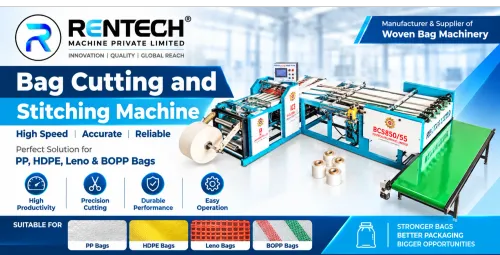
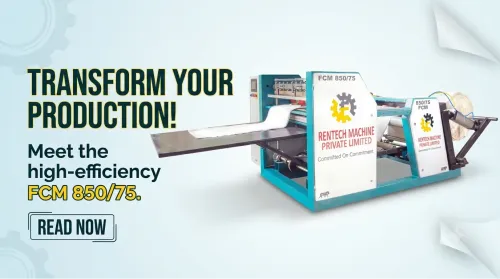
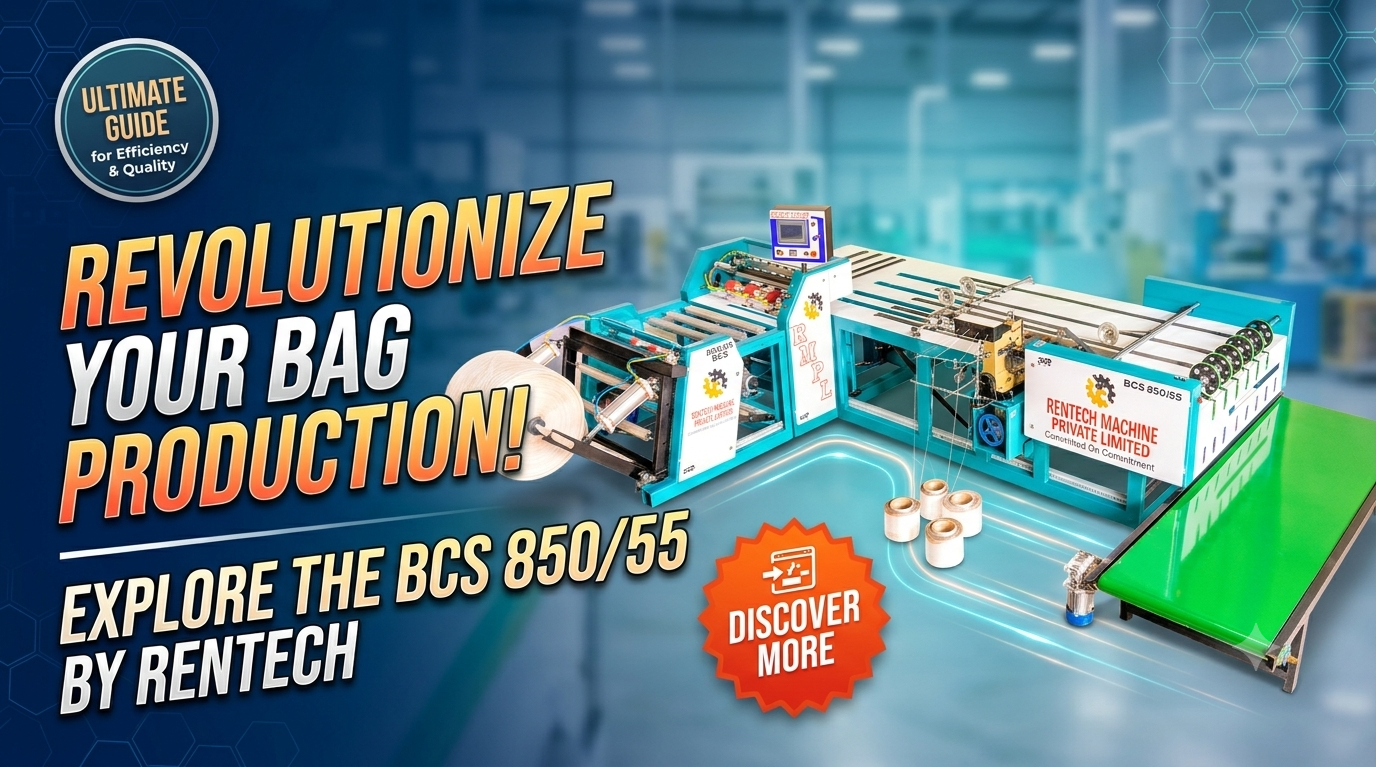
An automatic woven bag making machine plays an important role in modernizing the manufacturing process by automating key bag conversion operations. Instead of depending entirely on manual handling and separate production activities, manufacturers can use integrated machinery to improve workflow, maintain repeatable production quality, and manage larger manufacturing requirements.
For businesses planning to establish a new woven bag manufacturing unit or upgrade an existing facility, selecting suitable automation is an important step toward building a more efficient production system.
Rentech Machine Private Limited provides industrial machinery solutions for the woven packaging industry, supporting manufacturers seeking practical, production-oriented equipment for their manufacturing operations. The right machine configuration depends on the required bag design, production volume, material characteristics, and finishing requirements.
What Is an Automatic Woven Bag Making Machine?
An automatic woven bag making machine is industrial equipment designed to convert woven polypropylene fabric into finished or partially finished bags through automated manufacturing operations.
Depending on the machine configuration, the process may include fabric feeding, length measurement, cutting, folding, stitching or sealing, and other bag-conversion activities. Certain production lines also incorporate additional operations to meet specific packaging requirements.
The main objective is to create a controlled and repeatable manufacturing process that helps reduce manual intervention while maintaining consistency across production batches.
Unlike equipment designed for only one conversion operation, an integrated automatic system can coordinate multiple stages of production. This can simplify material movement, improve workflow organization, and help manufacturers manage their production schedules more effectively.
It is important to distinguish between a woven bag conversion machine and a complete woven bag production plant. Manufacturing the woven fabric itself generally requires separate equipment, such as tape extrusion and circular weaving machinery. A bag-making machine typically processes the woven fabric supplied to the conversion section.
Why Automation Is Becoming Important in Woven Bag Manufacturing
Automation is no longer relevant only to large-scale factories. Manufacturers of different sizes are evaluating automated equipment to improve production control and meet changing customer expectations.
1. Consistent Bag Dimensions
Bag length and cutting accuracy directly influence the final product's appearance and usability. Automated feeding and cutting mechanisms can help maintain more repeatable dimensions when the machine is correctly adjusted and operated.
Consistency is particularly important for customers who require uniform packaging for filling, stacking, transportation, and distribution.
2. Improved Production Workflow
In a manual or semi-automatic setup, workers may need to transfer fabric between several operations. An integrated machine can reduce unnecessary material handling and coordinate production activities more efficiently.
A better-organized workflow can help manufacturers plan production batches, manage operator responsibilities, and identify bottlenecks.
3. Better Control Over Material Wastage
Fabric wastage can affect the overall cost of every bag produced. Automated length control, accurate cutting, and suitable machine settings can help reduce avoidable losses.
However, actual material savings depend on fabric quality, cutting accuracy, bag dimensions, machine adjustments, and the experience of the operating team.
4. Repeatable Finishing Quality
Customers often evaluate woven bags based on stitching quality, edge finishing, dimensional accuracy, and overall appearance. Automation can improve repeatability by maintaining more consistent operating conditions.
The final quality still depends on correct thread selection, sewing settings, fabric handling, preventive maintenance, and inspection procedures.
5. Support for Growing Production Requirements
When order quantities increase, manual processes may become difficult to manage. An appropriately selected automatic woven bag making machine can help manufacturers increase production capacity while organizing labor and material movement more effectively.
Before purchasing equipment, businesses should evaluate actual demand, expected operating hours, changeover requirements, and the production capacity of connected processes.
How an Automatic Woven Bag Making Machine Works
The manufacturing process varies according to the bag design and machine configuration. A typical woven bag conversion workflow includes the following stages.
Fabric feeding: The woven polypropylene fabric roll is loaded into the machine. The feeding arrangement guides the material into the conversion section while maintaining suitable alignment and tension.
Length measurement and positioning: The system controls the required bag length according to the selected production settings. Accurate positioning helps maintain dimensional consistency.
Cutting: The fabric is cut into the required sections. The cutting method depends on the machine design and the properties of the material being processed.
Folding and preparation: Where required, the fabric edges are folded or positioned to prepare the bag for stitching or another finishing operation.
Stitching or finishing: Depending on the bag design, the machine performs the necessary sewing, hemming, or other supported conversion operations.
Collection and inspection: Finished bags are collected, counted, and checked for dimensional accuracy, stitching quality, finishing defects, and other customer requirements.
Not every automatic woven bag making machine performs all these operations in one unit. Manufacturers should confirm the exact scope of automation and whether additional equipment is required for their intended product.
What Should Manufacturers Consider Before Investing?
Purchasing an automatic woven bag making machine is a production decision, not simply an equipment purchase. A machine that suits one manufacturer's products may not be appropriate for another facility.
Understand Your Bag Requirements
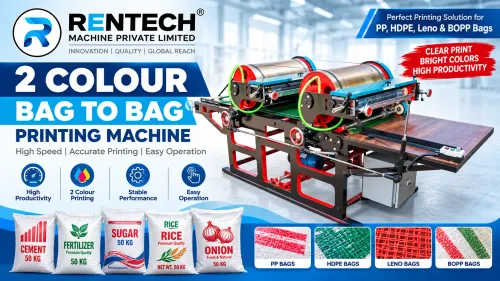
Start by identifying the types of bags you intend to manufacture. Consider the required bag dimensions, fabric construction, printing requirements, top and bottom finishing, and any special features.
Different bag designs may require different conversion arrangements. For example, a basic open-mouth woven bag and a bag requiring additional finishing operations may need different machine configurations.
Evaluate Actual Production Needs
Consider your expected daily and monthly order quantities, planned working shifts, product changeovers, and seasonal demand.
Machine speed alone does not determine factory output. Feeding interruptions, roll changes, setup time, inspection, maintenance, and downstream operations also influence usable production capacity.
Check Compatibility with Existing Equipment
If your factory already has printing, fabric rolling, cutting, or stitching equipment, evaluate how the new machine will integrate with those processes.
A conversion line should be considered as part of the complete production workflow. If one connected operation cannot handle the output of the others, the entire line may experience delays.
Assess Ease of Operation and Maintenance
Machine accessibility, operator training, spare-parts availability, and routine servicing influence long-term productivity.
Manufacturers should understand the maintenance schedule, recommended consumables, safety arrangements, and support available from the equipment supplier before finalizing a purchase.
Consider Long-Term Operating Costs
The purchase price is only one part of the investment. Businesses should also evaluate electricity consumption, labor requirements, consumables, maintenance, material wastage, and the cost of production downtime.
A suitable machine should meet present production needs while offering a practical path for future growth.
The Role of Quality Control in Automatic Woven Bag Production
Automation can improve process repeatability, but finished-bag quality still requires a structured inspection system.
Manufacturers should establish clear quality standards for every product and monitor the following areas:
- Dimensional accuracy: Check bag length, width, and other specified dimensions.
- Cutting quality: Inspect cut edges for unevenness, fraying, or other defects.
- Stitching strength: Verify seam consistency and suitability for the intended load.
- Fabric condition: Identify tears, contamination, damage, or irregularities in the woven material.
- Finishing quality: Confirm that folds, hems, and other specified features meet the customer's requirements.
- Batch traceability: Maintain production records so that recurring defects can be investigated and corrective actions can be implemented.
A well-defined inspection process helps manufacturers reduce rejected bags, maintain customer confidence, and improve production consistency over time.
How Rentech Machine Private Limited Supports Woven Bag Manufacturers
Rentech Machine Private Limited serves the industrial machinery sector with solutions for woven bag manufacturing and related conversion requirements.
When evaluating an automatic woven bag making machine, manufacturers should focus on matching the equipment configuration to the products they plan to produce. This involves understanding the intended bag design, the woven fabric being processed, the required finishing operations, and the expected production workflow.
A clearly defined application makes it easier to identify the appropriate machine arrangement and determine whether additional equipment is required.
For manufacturers planning to establish a new production unit, expand an existing facility, or improve an established conversion process, the objective should be to select machinery that supports consistent manufacturing, efficient material handling, and manageable operating costs.
Rentech Machine Private Limited encourages buyers to evaluate their production requirements carefully before selecting a machine. Discussing the intended application and manufacturing process in advance can help establish a more suitable equipment specification.
Frequently Asked Questions About Automatic Woven Bag Making Machines
1. What is an automatic woven bag making machine used for?
An automatic woven bag making machine converts woven polypropylene fabric into bags through operations such as feeding, cutting, and the required finishing processes. The exact functions depend on the machine configuration and the type of bag being manufactured.
2. Which materials can be processed on a woven bag making machine?
Many woven bag conversion machines are designed for polypropylene (PP) woven fabric. Compatibility with other woven materials, laminated fabrics, or specialized constructions must be confirmed with the machine manufacturer.
3. Can an automatic machine manufacture different bag sizes?
Some machines can process multiple bag sizes within their supported operating range. The available range depends on the machine design, adjustment arrangements, and tooling. Buyers should confirm their required dimensions before ordering.
4. Does an automatic woven bag making machine also manufacture PP woven fabric?
Not necessarily. A conventional woven bag conversion machine processes fabric that has already been manufactured. Producing woven fabric generally requires separate extrusion and weaving equipment.
5. Can the machine be integrated with an existing woven bag production line?
Yes, integration may be possible, depending on the existing equipment, fabric roll specifications, material flow, production speeds, and required finishing operations. The complete workflow should be assessed before installation.
6. How does automation help reduce production wastage?
Automation can improve fabric positioning, length control, and cutting consistency. These improvements may reduce avoidable errors and material losses, although actual savings depend on the machine settings, fabric quality, and production practices.
7. What factors affect the production output of a woven bag making machine?
Output depends on machine speed, bag length, fabric characteristics, finishing requirements, operator efficiency, changeover frequency, maintenance, and interruptions in material supply. The rated machine speed should not be treated as guaranteed finished-bag output.
8. Is operator training necessary for an automatic bag making machine?
Yes. Operators should understand machine settings, fabric loading, quality inspection, routine maintenance, and safety procedures. Proper training helps maintain production consistency and reduces the risk of operating errors.
Building a More Efficient Woven Bag Manufacturing Process
The demand for dependable industrial packaging continues to create opportunities for woven bag manufacturers. As production requirements grow, automation can help businesses improve workflow organization, maintain consistent bag dimensions, reduce avoidable material wastage, and manage repetitive conversion operations more efficiently.
However, the best results come from choosing machinery according to actual production requirements rather than focusing solely on automation or rated speed. Material compatibility, bag design, finishing quality, maintenance, operator training, and integration with existing equipment all contribute to long-term manufacturing performance.
Rentech Machine Private Limited supports manufacturers exploring machinery solutions for woven bag production and conversion. By evaluating the intended application and selecting an appropriate machine configuration, businesses can develop a more controlled and scalable manufacturing process.
For further information about woven bag manufacturing machinery, visit Rentech Machine Private Limited and discuss your production requirements with the company.