


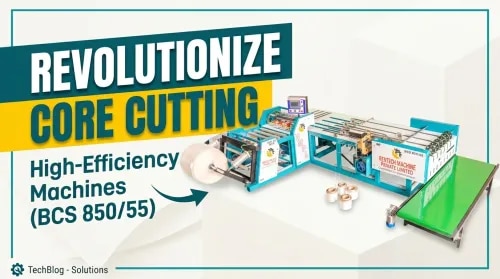
Advanced PP Woven Bag Conversion Technology for Modern Manufacturers The manufacturing of PP woven bags involves several important stages, from woven fabric production to cutting, stitching, inspection and final packing. Among these stages, bag conversion plays a critical role in determining the dimensional accuracy, stitching quality and overall consistency of the finished bag. The Automatic Bag Cutting & Stitching Machine, commonly known as a BCS Machine, is designed to streamline this conversion process by integrating fabric cutting and stitching operations into a coordinated industrial system. For manufacturers producing PP woven sacks, fertilizer bags, rice bags, agricultural bags, animal-feed bags and other industrial packaging products, an automatic BCS machine can provide a more organized and repeatable alternative to separate manual operations. Rentech Machine Private Limited, Ahmedabad, Gujarat, India, manufactures machinery solutions for woven bag conversion and packaging applications. What Is an Automatic BCS Machine? BCS stands for Bag Cutting and Stitching. An automatic BCS machine receives woven fabric, processes it according to the programmed or configured bag dimensions, cuts the fabric into individual bag sections and carries out the required stitching operation. The basic manufacturing sequence can be represented as: Woven Fabric Roll → Feeding → Length Control → Cutting → Transfer → Positioning → Stitching → Finished Bag The objective is not simply to automate cutting and sewing. A properly designed BCS system coordinates these operations so that the fabric moves through the machine in a controlled and repeatable manner. This makes the BCS machine an important part of a modern PP woven bag conversion line. Why Bag Conversion Is Important Producing woven fabric is only one part of manufacturing a finished PP woven sack. The fabric must be converted into a bag with the required: Length Width Bottom construction Stitching pattern Edge quality Bag appearance Dimensional consistency If cutting is inconsistent, the final bag dimensions can vary. If stitching is not properly controlled, the bag may have poor seam quality or inconsistent appearance. Therefore, the bag conversion stage directly influences the quality of the final packaging product. An automatic BCS machine is designed to bring greater control to this stage. How the Automatic BCS Machine Works The machine can be understood through several interconnected production stages. 1. Fabric Roll Loading Production begins with the woven fabric roll. The fabric roll is mounted on the appropriate feeding arrangement and aligned with the machine's material path. Correct roll alignment is important because uneven feeding can affect the final cutting position. The incoming material may include suitable: PP woven fabric HDPE woven fabric Leno fabric Laminated woven fabric Actual material compatibility depends on the selected machine configuration. 2. Controlled Fabric Feeding Once the machine starts, the fabric is moved through the production system. The feeding mechanism controls the movement of the fabric toward the cutting section. A stable feeding process is important because the cutting position depends on accurate material movement. The machine therefore needs to maintain: Consistent fabric movement Proper alignment Controlled tension Repeatable feeding Stable material tracking These factors contribute to consistent finished-bag dimensions. 3. Bag Length Setting One of the most important parameters in woven bag conversion is the required bag length. Different applications require different bag sizes. For example, manufacturers may produce bags for: Rice Wheat Flour Fertilizer Sugar Animal feed Agricultural products Industrial materials The required bag dimensions can be configured according to the machine design. Once the desired production parameters are established, the cutting system can repeatedly process the material according to those settings. 4. Automatic Cutting After the required length is reached, the cutting mechanism separates the fabric into individual bag sections. This is one of the primary advantages of automation. Instead of an operator manually measuring every bag, the machine coordinates fabric movement and cutting. Accurate cutting helps achieve: Repeatable bag length Cleaner production Reduced measurement dependency Better stitching alignment More consistent finished bags Cutting performance can vary depending on fabric construction, thickness, machine configuration and operating conditions. 5. Bag Transfer After cutting, the individual fabric section must be transferred toward the stitching area. The transfer system needs to maintain the correct orientation and position of the bag piece. Proper transfer is important because even accurately cut material can produce an inconsistent finished bag if it reaches the stitching section incorrectly. 6. Bag Positioning Before stitching, the cut piece is positioned according to the machine's stitching arrangement. This stage ensures that the material is correctly presented to the sewing mechanism. Correct positioning helps maintain: Seam alignment Stitching consistency Bag appearance Repeatability 7. Automatic Stitching The stitching section performs the required sewing operation. The stitching configuration depends on the type of bag and machine design. For industrial woven sacks, stitching quality is particularly important because the finished bags may be used for products with significant weight. A properly configured stitching system can help produce consistent seams throughout production. 8. Finished Bag Discharge After stitching, the finished bag is discharged from the machine. The bags can then proceed to: Inspection → Counting → Bundling → Packing → Storage → Dispatch This creates a more organized production workflow compared with disconnected manual operations. Major Components of an Automatic BCS Machine Although machine construction varies between models, an automatic bag conversion system generally contains several functional sections. Fabric Feeding Section Responsible for controlled movement of woven fabric into the machine. Fabric Alignment System Helps maintain the correct material path during production. Measuring / Length Control System Coordinates the required bag length with the cutting operation. Cutting Unit Separates the continuous fabric into individual bag pieces. Transfer Mechanism Moves the cut material toward the stitching section. Stitching Unit Performs the required sewing operation. Control System Allows the operator to configure and monitor relevant machine functions. Safety System Machine safety arrangements help protect operators during industrial operation. The exact components and automation architecture depend on the selected model. Materials Used for Woven Bag Conversion PP Woven Fabric Polypropylene woven fabric is widely used for manufacturing sacks and packaging bags. Typical applications include: Rice bags Fertilizer bags Grain bags Sugar bags Flour bags Feed bags HDPE Woven Fabric HDPE woven material can be processed in suitable machine configurations. It is used in various industrial and packaging applications. Leno Woven Fabric Leno fabric is particularly useful for agricultural produce packaging. Common applications include: Onion bags Potato bags Vegetable bags Agricultural produce packaging BOPP Laminated Woven Fabric BOPP laminated woven bags are commonly used when manufacturers require attractive graphics, branding and enhanced packaging presentation. These bags are frequently used for: Rice Pet food Animal feed Flour Agricultural products Consumer-facing packaging Machine compatibility should be confirmed according to the specific fabric structure and configuration. Industries Using Automatic Bag Conversion Machines The application of BCS technology extends across multiple industries. Fertilizer Packaging Fertilizer manufacturers require strong and dimensionally consistent bags for bulk product packaging. Rice Packaging PP woven rice bags are widely used for different packaging sizes and applications. Flour Packaging Woven bags are used for selected flour and grain products. Animal Feed Packaging Feed manufacturers use woven sacks for packaging and transportation of bulk feed products. Agricultural Packaging Leno and woven bags are used for agricultural produce such as onions, potatoes and vegetables. Chemical Packaging Suitable woven sacks can be used for selected industrial and chemical products. Construction Packaging Woven sacks are used for certain construction and industrial materials. Advantages of Automatic Bag Conversion 1. Improved Process Consistency Automation creates a more repeatable production process. Instead of relying entirely on manual measurement and cutting, the machine coordinates the production sequence. 2. Reduced Repetitive Labour Manual cutting, positioning and stitching involve repetitive operations. Automation can reduce the amount of repetitive manual handling required during production. 3. Better Dimensional Control Consistent fabric feeding and cutting can help manufacturers maintain more uniform bag dimensions. 4. Integrated Production Flow Combining cutting and stitching into one machine reduces unnecessary movement between separate operations. 5. Improved Production Organization A controlled machine process makes it easier to organize: Input → Processing → Inspection → Output 6. Reduced Operator Dependency The operator's role can shift from performing every individual operation to: Machine setup Monitoring Material loading Quality checking Troubleshooting Routine maintenance 7. Consistent Stitching Automated stitching helps maintain a more repeatable sewing process compared with manually handling every individual bagWhy Automation Is Becoming Important in Woven Bag Manufacturing Modern packaging manufacturers increasingly need: Consistent quality Reduced production variability Better material utilization Organized production workflows Reduced repetitive manual operations Faster changeover Better production monitoring Repeatable bag dimensions Automation addresses many of these requirements by transferring repetitive production activities from manual operation to controlled mechanical systems. However, automation should be selected according to actual production requirements. A machine should not be oversized or underspecified simply because of a headline production number. Rentech Machine – Woven Bag Machinery Solutions Rentech Machine Private Limited, Ahmedabad, Gujarat, India, provides machinery solutions for the woven packaging industry. The company's machinery portfolio includes solutions related to: PP woven bag cutting Bag stitching Automatic BCS systems Woven sack conversion Leno bag production PP woven bag printing Flexographic printing Industrial packaging machinery The objective is to provide manufacturers with practical machinery configurations based on their material, bag dimensions, production requirements and level of automation. Why Manufacturers Consider an Automatic BCS System An automatic bag cutting and stitching system can provide several operational advantages when properly matched with the production requirement. It can help manufacturers move from a fragmented manual process toward a more coordinated production workflow. The key value areas include: Automation + Repeatability + Controlled Cutting + Integrated Stitching + Reduced Handling + Better Production Organization For manufacturers producing large volumes of woven bags, these factors can have a significant impact on production management. Frequently Asked Questions 1. What is an Automatic PP Woven Bag Cutting & Stitching Machine? An Automatic PP Woven Bag Cutting & Stitching Machine, commonly called a BCS machine, is an industrial bag-conversion machine designed to convert woven fabric rolls into finished bags through controlled feeding, cutting and stitching operations. 2. What does BCS mean in bag manufacturing? BCS stands for Bag Cutting and Stitching. The machine combines these two important conversion operations into one coordinated production system. 3. What is the main purpose of a BCS machine? The primary purpose is to convert continuous woven fabric into individual finished bags with controlled dimensions and consistent stitching. 4. How does an automatic bag cutting machine work? The machine feeds woven fabric through a controlled path, measures or controls the required bag length, cuts the material and transfers the cut section to the stitching unit for further processing. 5. What is the basic production sequence of a BCS machine? The typical process is: Fabric Roll → Feeding → Length Control → Cutting → Transfer → Positioning → Stitching → Finished Bag 6. Which materials can be used with a BCS machine? Depending on the machine configuration, suitable materials can include PP woven, HDPE woven, Leno and BOPP laminated woven fabric. 7. Can the machine manufacture PP woven sacks? Yes. PP woven sacks are one of the primary applications of automatic bag cutting and stitching machinery. For manufacturers producing PP woven, HDPE woven, Leno or suitable laminated woven bags, the correct BCS machine configuration can help improve process control, reduce repetitive manual handling and maintain consistent finished-bag quality. Rentech Machine Private Limited provides automatic bag conversion machinery for manufacturers looking to develop or upgrade their woven bag production capabilities.
Address
67, Road No. 1, Gopalcharan Industrial Hub, Bakrol, (Bujrang)
Ahmedabad, Gujarat, India, 382430