

PP / HDPE Bag Making Machine Manufacturer: A Practical Guide to Woven Sack Production and Machinery Selection
Introduction
The demand for durable and cost-effective packaging continues to create opportunities for manufacturers across agriculture, food grains, fertilizers, construction materials, and industrial goods. PP (polypropylene) and HDPE (high-density polyethylene) woven bags are widely used in these sectors because they can provide strength, flexibility, and practical handling characteristics when designed for the intended application.
Choosing the right PP / HDPE bag making machine manufacturer is an important decision for businesses planning to establish a new production facility, expand an existing factory, or improve their bag conversion operations.
Rentech Machine Private Limited, based in Ahmedabad, Gujarat, India, provides machinery solutions for woven sack cutting, stitching, printing, and bag conversion applications. The company supports manufacturers looking for equipment suited to their production requirements and packaging
Understanding PP and HDPE Woven Bag Manufacturing
PP and HDPE woven bags are manufactured using woven plastic tapes or yarns produced from suitable polymer materials. The manufacturing process generally involves several stages, depending on the factory setup and the finished bag specification.
1. Raw Material and Tape Production
Polymer granules are processed into tapes or yarns using suitable extrusion equipment. The tapes are stretched and prepared to achieve the required strength and dimensions.
2. Fabric Weaving
Prepared tapes are woven into fabric using circular looms or other suitable weaving equipment. Fabric construction depends on the required bag strength, mesh structure, and end-use application.
3. Fabric Finishing and Printing
Depending on the product specification, the woven fabric may undergo lamination, coating, surface treatment, or printing. Printing can be used to display product details, company branding, logos, and other packaging information.
4. Cutting and Stitching
The fabric is cut to the required bag length and processed through stitching or other suitable conversion operations. Cutting accuracy and seam quality help determine the finished bag's dimensions and usability.
5. Inspection and Packing
Finished bags are checked for dimensional accuracy, stitching quality, print appearance, and other customer-specific requirements before packing and dispatch.
Not every manufacturer performs all these stages in-house. Some businesses purchase ready-made woven fabric and focus primarily on printing, cutting, stitching, and bag conversion.
Why Selecting the Right Bag Making Machine Manufacturer Matters
Selecting industrial machinery involves more than comparing purchase prices. Equipment should match the intended product, production volume, available factory space, and operating resources.
Matching Machinery to Your Production Process
Before purchasing equipment, determine whether you require a complete woven sack manufacturing plant or a bag conversion setup. A complete plant may include extrusion, tape stretching, weaving, finishing, printing, and conversion equipment. A conversion unit may require only printing, cutting, stitching, and related handling systems.
Maintaining Bag Dimensions and Cutting Accuracy
Consistent bag dimensions are important for filling, stacking, transport, and customer acceptance. Suitable cutting equipment, correct machine settings, and routine inspection help maintain dimensional consistency.
Improving Stitching Quality
The bottom seam is a critical part of many woven sack designs. Appropriate stitching equipment, suitable thread, correct stitch settings, and trained operators help reduce seam-related defects.
Supporting Different Packaging Requirements
Manufacturers may receive orders for fertilizer bags, rice bags, animal feed bags, agricultural packaging, or industrial sacks. The required material, dimensions, weight capacity, and printing design can vary between applications.
Machinery should therefore be selected according to the actual products the business intends to manufacture.
Important Machinery to Consider for a PP / HDPE Bag Manufacturing Unit
The equipment required depends on the production model and whether the factory manufactures woven fabric or purchases it from another supplier.
Extrusion and tape stretching equipment: Used to convert suitable polymer material into tapes for weaving.
Circular looms: Used to manufacture woven fabric from prepared tapes.
Lamination equipment: Used when the product specification requires a laminated surface or additional barrier characteristics.
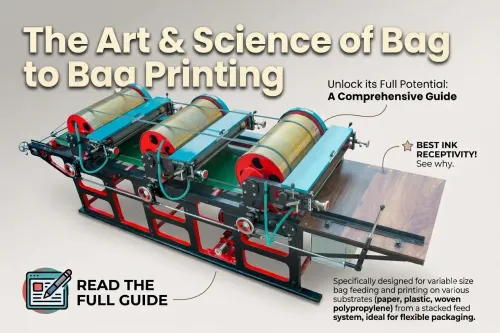
Flexographic printing machines: Used to print branding, product details, and graphics on compatible fabric or bags.
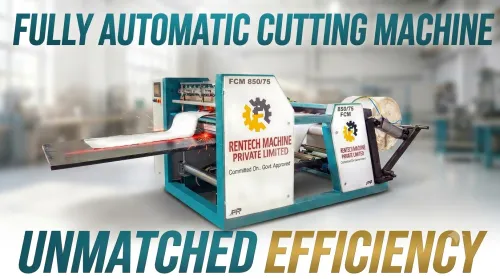
Bag cutting machines: Used to cut woven fabric to the specified dimensions.
Bag stitching machines: Used to close bag ends or form seams according to the bag design.
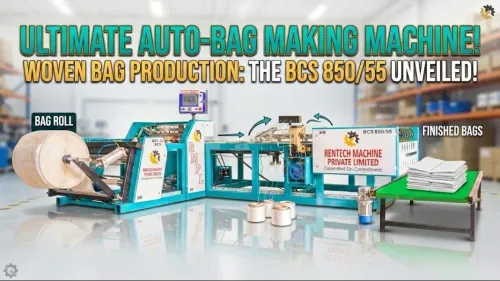
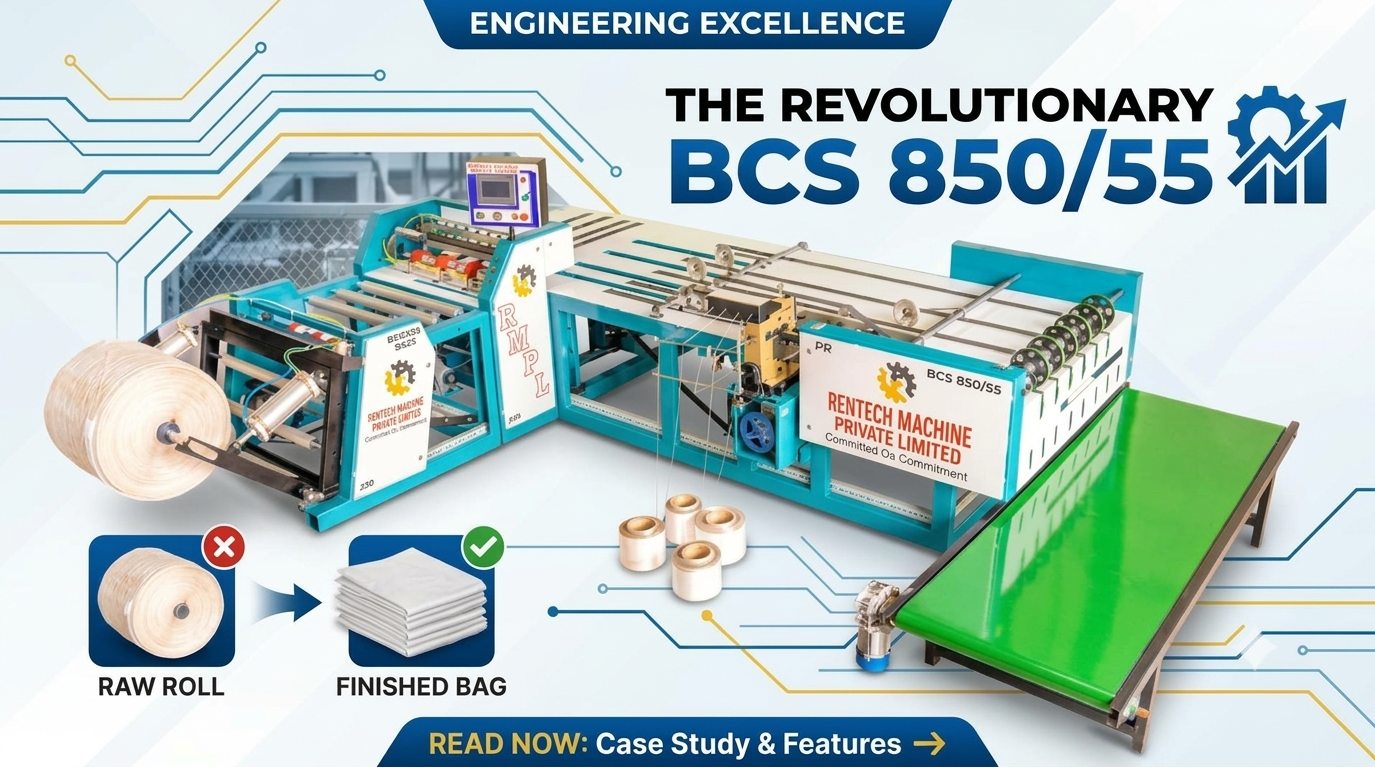
Automatic bag conversion lines: Used to integrate selected operations, such as feeding, cutting, and stitching, into a more coordinated production workflow.
The final equipment list should be based on the required output, product specifications, available floor area, and investment plan.
How to Evaluate a PP / HDPE Bag Making Machine Manufacturer
Before finalising a machinery supplier, businesses should assess several practical factors.
Machine Configuration
Confirm which operations the machine performs, which processes require separate equipment, and whether the proposed configuration matches the intended bag type.
Production Capacity
Ask for rated capacity and expected operating output under clearly defined conditions. Actual production depends on bag dimensions, material, machine settings, operator experience, and stoppages.
Material Compatibility
Confirm whether the machine supports the required PP woven fabric, HDPE woven fabric, laminated fabric, or other specified material. Do not assume that every machine can process every substrate without adjustments.
Automation and Controls
Review feeding arrangements, cutting control, stitching arrangements, sensors, and operator interfaces where applicable. Automation should address a genuine production need rather than simply increase initial investment.
Maintenance and Spare Parts
Ask about preventive maintenance, consumable parts, replacement components, technical documentation, and operator training. These considerations can affect long-term equipment availability.
Installation and Technical Support
Confirm installation requirements, commissioning arrangements, electrical specifications, and the scope of after-sales support before placing an order.
Production Planning for a Woven Bag Manufacturing Business
A suitable machine is only one component of an effective manufacturing operation. Production planning also requires attention to material supply, labour, order scheduling, inspection, and cost control.
Businesses should estimate their expected monthly demand and determine the production capacity needed to fulfil orders. They should also calculate material consumption, thread usage, printing requirements, electricity consumption, labour expenses, packaging costs, and expected wastage.
A realistic production plan helps businesses compare equipment configurations and understand whether a manual, semi-automatic, or fully automatic conversion arrangement is appropriate.
Manufacturers should avoid selecting equipment solely on maximum advertised speed. A machine's practical output and suitability for the intended product are more useful measures when planning production.
Applications of PP and HDPE Woven Bags
PP and HDPE woven bags are used in multiple packaging sectors, depending on the material construction and bag design.
- Agriculture: Seed, grain, fertilizer, and other agricultural packaging.
- Food-grain packaging: Rice, wheat, and other compatible bulk commodities.
- Animal feed: Packaging for feed and related products.
- Construction: Cement and other suitable construction materials.
- Industrial packaging: Selected chemicals, minerals, and industrial materials.
- Retail and wholesale distribution: Woven sacks used for bulk transportation and storage.
The appropriate material and bag design should be selected according to product weight, handling conditions, moisture exposure, applicable regulations, and customer requirements.
Rentech Machine Private Limited: Woven Bag Machinery Solutions
Rentech Machine Private Limited, located in Ahmedabad, Gujarat, India, provides machinery for woven bag conversion and printing applications. Its product area includes bag cutting and stitching machines, flexographic printing machines, and woven sack conversion solutions.
For manufacturers evaluating PP / HDPE bag making machinery, understanding the intended production process is the first step towards selecting the appropriate equipment.
Whether a business is setting up a new conversion unit or upgrading existing operations, the machine configuration should be evaluated against bag dimensions, material specifications, desired output, available space, and operating requirements.
Rentech Machine Private Limited encourages buyers to define these requirements before finalising a machinery configuration so that the proposed solution can be matched to the intended manufacturing application.
Frequently Asked Questions (Q&A)
Q1. What is a PP / HDPE bag making machine?
A PP / HDPE bag making machine is equipment used for one or more operations involved in manufacturing or converting polypropylene and high-density polyethylene woven bags. Depending on the machine type, it may perform cutting, stitching, printing, feeding, or integrated bag conversion.
Q2. What is the difference between PP and HDPE woven bags?
PP and HDPE woven bags use different polymer materials and may differ in flexibility, stiffness, processing characteristics, and application suitability. The final properties depend on the polymer grade, tape construction, fabric design, coating, and finished bag specifications.
Q3. Do I need a complete plant to manufacture woven bags?
Not necessarily. Businesses can establish a conversion unit by purchasing ready-made woven fabric and using suitable printing, cutting, and stitching equipment. A complete manufacturing plant is needed when the business intends to produce its own woven fabric from polymer material.
Q4. Which machines are required for a bag conversion unit?
A typical conversion unit may require fabric feeding and cutting equipment, stitching machinery, and printing equipment if printed bags are part of the product range. The exact requirements depend on the bag design and production workflow.
Q5. How do I choose the correct machine capacity?
Estimate the number of bags required per shift and determine the practical output needed to meet customer demand. Consider bag size, material handling, operator requirements, setup time, and expected stoppages when evaluating machine capacity.
Q6. Can PP and HDPE woven bags be printed?
Yes. Compatible woven bags and fabrics can be printed using suitable printing equipment and inks. The printing process must be matched to the substrate, surface treatment, artwork, and required print quality.
Q7. What factors affect the quality of finished woven bags?
Important factors include fabric construction, bag dimensions, cutting accuracy, seam strength, thread selection, print quality, material consistency, and inspection procedures. The importance of each factor depends on the intended application.
Q8. Is automatic bag conversion equipment suitable for small manufacturers?
It can be suitable when the required output, labour availability, order volume, and operating budget justify the investment. Smaller businesses should compare manual, semi-automatic, and automatic options using expected production demand and total operating costs.
Conclusion
Selecting the right PP / HDPE bag making machine manufacturer requires a clear understanding of the intended manufacturing process, finished bag specifications, production demand, and available operating resources.
From woven fabric production to printing, cutting, stitching, and final inspection, every stage contributes to the quality and consistency of the finished product. Choosing machinery based on actual requirements can help manufacturers plan their operations more effectively and build a production setup suited to their business goals.
Rentech Machine Private Limited, Ahmedabad, Gujarat, India, provides machinery solutions for woven bag printing and conversion applications. Businesses planning a new project or upgrading an existing facility can discuss their requirements to explore a suitable machinery solution.